
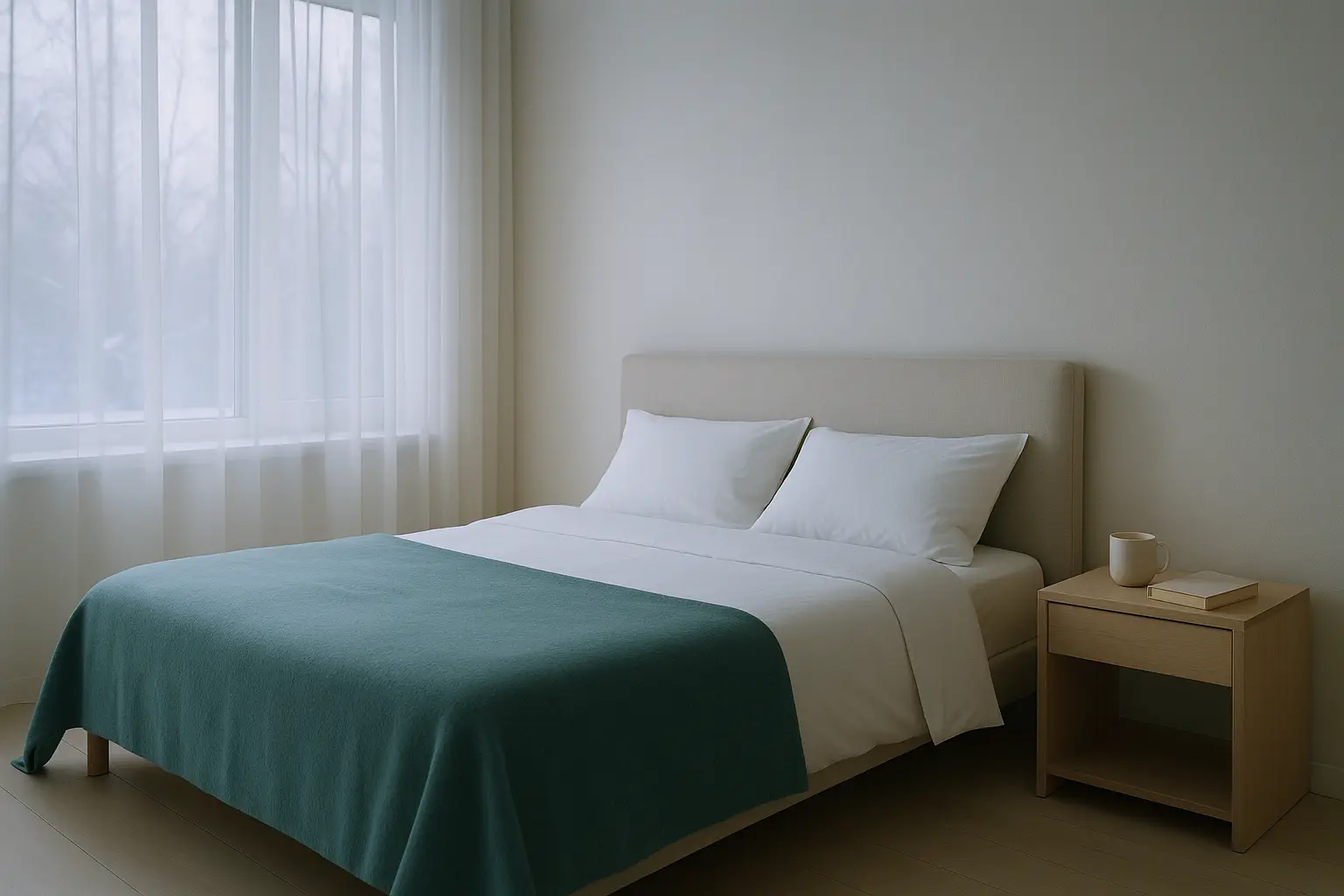
December’s short daylight can shift your sleep and mood, especially in winter. If you’re coping with early dusk, seasonal affective disorder patterns, or holiday stress, a few small, cozy routines can help steady your sleep and mental health. This guide keeps it practical: gentle light cues, warmth, and simple CBT‑style reframes that fit real life.
H2: Why short days disrupt sleep (and what to do) When daylight shrinks, your body’s clock can drift earlier in the evening and later in the morning. That can mean low morning energy, evening alertness, and a wobbly mood. Good news: consistent light, movement, and wind‑down signals can nudge the clock back.
- ●Morning light: Get outside within 60 minutes of waking for 5–20 minutes. Overcast is fine; daylight is powerful.
- ●Midday top‑up: A brief outdoor break or window light near your desk.
- ●Evening dimming: Lower lights 2–3 hours before bed; use warmer bulbs or lamps.
- ●Screens: Night settings help; also try moving the phone out of reach after wind‑down starts.
Pro tip: Pair morning light with something you already do (coffee, dog walk) to make it automatic.
H2: Warmth, comfort, and the sleep‑friendly room
- ●Keep the room cool (about 17–19°C / 63–66°F) and keep yourself warm (socks, light layers). Warm extremities help you fall asleep.
- ●Cozy routine: Tea without caffeine, a shower or bath 1–2 hours before bed, and soft lighting cue your brain that night is safe.
- ●Quiet the mind: A short brain‑dump note can park worries until morning.
H2: A gentle 7‑day Winter Sleep Reset Small steps add up. Choose one action per line each day.
Day 1–2: Anchor your mornings
- ●Wake around the same time daily (±30 minutes), even on weekends.
- ●Get outside or to a bright window within 60 minutes of waking.
- ●Light breakfast protein (e.g., yogurt, nuts) to stabilize energy.
Day 3–4: Shape evenings
- ●Start wind‑down 60–90 minutes before bed: dim lights, slow tasks.
- ●Swap doomscrolling for “cozy inputs”: a paper book, puzzle, or gentle show.
- ●Try a warm bath or shower; put on socks after.
Day 5: Calm the mind with a CBT‑style reframe
- ●Notice the thought: “If I don’t sleep, tomorrow is ruined.”
- ●Reframe: “Rest is still helpful; I can function with support (breaks, light). Sleep will catch up.”
- ●Action: Plan two micro‑supports for tomorrow (e.g., 10 minutes of daylight + a short walk).
Day 6: Tidy caffeine and alcohol
- ●Caffeine cut‑off: 8–10 hours before bed.
- ●If you drink alcohol, keep it early and light; follow with water and a snack.
Day 7: Weekend guardrails
- ●Sleep‑in cap: No more than 60 minutes past your weekday wake time.
- ●Bank recovery with a midday rest, not a long nap (20–30 minutes if needed).
H3: A 10–15 minute wind‑down menu (pick 2–3)
- ●4‑4‑4‑4 box breathing (see diagram below)
- ●Stretch sequence: neck rolls, shoulder circles, calf stretch, child’s pose
- ●1‑page brain dump (to‑do’s, worries, ideas)
- ●“Cozy sense scan”: sight (lamp), touch (blanket), smell (unscented or gentle), sound (quiet playlist)
- ●Gratitude notes: 3 small winter comforts
H2: Three common winter sleep traps (and gentler swaps)
- ●Big weekend sleep‑ins → Try a “90‑minute buffer”: wake within an hour of weekdays; add a midday rest or early night instead.
- ●Doomscrolling in bed → Park the phone in another room; keep a paper book or crossword by the lamp.
- ●Late caffeine/alcohol → Move caffeine earlier; keep alcohol light and earlier; add water + snack.
H2: Holiday stress, loneliness, and the “bucket” model Stress and big feelings can fill the body’s “bucket,” spilling into restless nights. You can’t remove every “stressor,” but you can open small drains: daylight, movement, connection, and self‑compassion.
Micro‑drains you can open today
- ●5–15 minutes of outdoor light
- ●10 minutes of movement (walk, stretch, tidy)
- ●Text or voice note to a friend
- ●Two rounds of box breathing
- ●Write a kind sentence to yourself (self‑compassion helps calm the nervous system)
H2: Quick checklists Bedroom setup
- ●Dark: blackout curtains or an eye mask
- ●Quiet: earplugs, white noise if helpful
- ●Cool air, warm socks
- ●Clock face turned away
- ●Phone out of reach, charger in another room
Travel or holiday nights
- ●Keep wake time steady (±60 minutes)
- ●Bring a mini wind‑down kit: mask, earplugs, book, charger
- ●Keep snacks and water handy to reduce 2 a.m. rummaging
- ●Morning light wherever you are
H2: If sleep stays tough
- ●If sleep remains disrupted for a few weeks, or your winter mood feels heavy most days, a licensed professional can help tailor options (timed light, therapy, or other supports). For diagnosis or treatment decisions, talk with your clinician.
- ●Light boxes exist, but timing and intensity matter; a professional can help you choose and use one safely, especially if you have eye or skin sensitivities.
H2: Feature Spotlight: AIary AIary makes winter self‑care feel lighter. Talk to a Conversational Diary that meets you where you are. Mood Analysis gently reflects patterns (like “better sleep after morning light”) so you can test what helps. Guided Exercises include breathing, reframes, and cozy wind‑downs you can run right before bed. Journaling Reminders arrive at times you choose. AIary is privacy‑first: your entries are yours, protected by secure design. Ready to try a calmer nightly routine? Download AIary on iOS or Android.
A gentle December CTA Try one tiny change tonight—dim lights 90 minutes before bed—and pair it with a morning light step tomorrow. Small, steady signals are powerful in winter.